
By Michael McHugh and David Young, PA
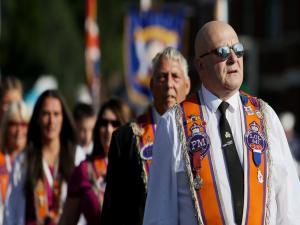
Thousands of Orange Order members will take to the streets of Northern Ireland later to celebrate their annual day.
The events mark the anniversary of the Battle of the Boyne in 1690, when Protestant King William defeated Catholic King James II in Co Meath in what is now the Republic.
On July 12 marching bands and loyal order lodges take to the streets across Northern Ireland.
They congregate at fields where they hear speeches and prayers delivered by senior Orangemen.
The longest parade will be in Belfast and dozens of bands will take part.
A wreath-laying ceremony will take place at the Cenotaph at Belfast City Hall.
The vast majority of parades are peaceful.
Over the years there have been many volatile flashpoints involving Orange lodges and nationalist residents.
The best-known include the Garvaghy Road/Drumcree dispute in Portadown, the Ormeau Road in south Belfast and the Ardoyne/Woodvale interface in north Belfast.
A temporary truce was agreed at Ardoyne pending a broader resolution.
Stormont leaders have previously agreed to eventually take on the responsibility for parading issues from the Government, potentially replacing the Parades Commission with a new model.
That plan was subsequently consumed by the wider political fallout at Stormont and is now well and truly on ice amid the ongoing absence of powersharing.
A Stormont-established working group set up to examine ways to deal with the thorny issues of flags, identity, culture and tradition has made little progress.
A lack of devolved government means there is little prospect of any emerging recommendations being implemented in the short-term.
 Motorcyclist dies after collision on outskirts of Belfast
 Murder probe launched after discovery of woman’s body in Co Fermanagh
 Cars set alight in Co Armagh arson attack
 Man escapes through window after arson attack at Downpatrick home
 Noah Donohoe investigation looked at known sex offenders in area, inquest hears