

By Michael McHugh, PA.
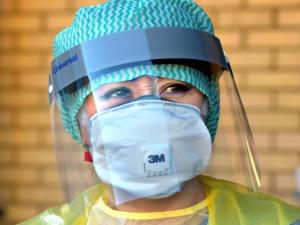
Post-traumatic stress disorder (PTSD) amongst NHS staff helping patients with Covid-19 could rise by 70% if they are not given the right support before returning to regular routines, psychiatrists warned.
The Royal College of Psychiatrists Northern Ireland is called for a phased return to normal working for NHS staff in the same fashion which the military uses to bring troops back from deployment.
One element is decompression, 36 hours of relaxation, briefings, and psychological resetting away from the operational environment.
Dr Gerry Lynch, chair of the Royal College of Psychiatrists NI, said: "Our frontline staff work really hard at the best of times, but during the pandemic they've been working under much stress whilst continuing to treat those patients with mental health conditions.
"If our mental health workers are not supported during the recovery process then they may suffer significant health problems in the future and we cannot afford to not have them there, if a second wave hits.
"There is a risk that if key workers such as doctors are not supported well enough during the recovery process, then they may suffer significant mental health problems.
"This is particularly problematic if there is a second wave of the virus."
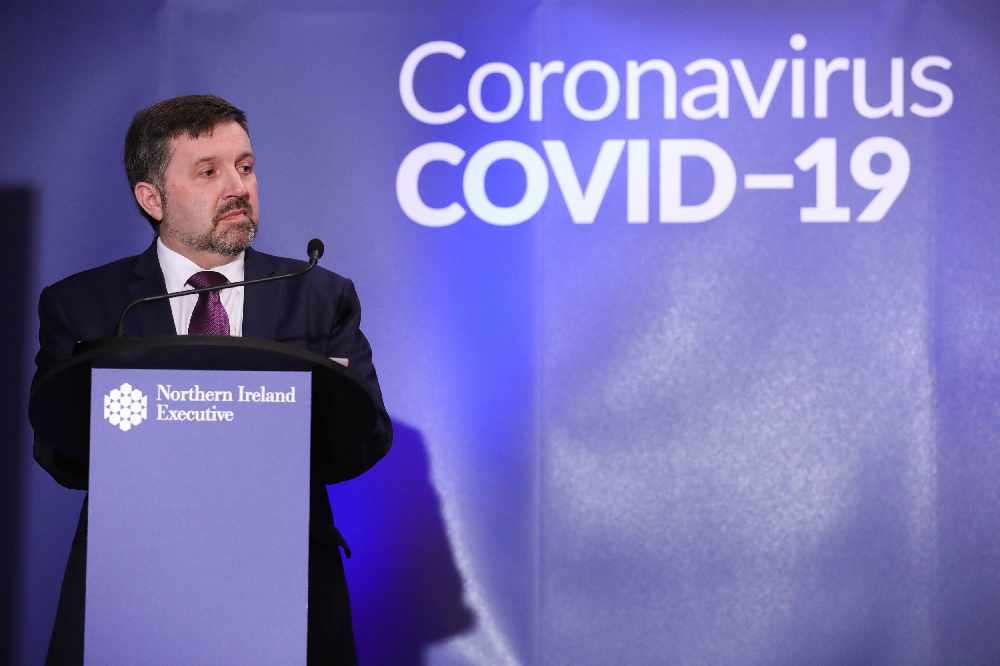
Stormont health minister Robin Swann has published a mental health action plan which includes a dedicated Covid-19 response.
It aims to help mental health patients access the support they need.
New analysis published in the BMJ of the mental health impact of staff working with patients suffering from Covid-19 has shown the danger of not giving staff the chance to reset following a crisis.
The study suggests that staff working with patients with Covid-19 are 70% more likely to develop acute PTSD or to suffer from other psychological distress.
Post-traumatic stress disorder (PTSD) amongst NHS staff helping patients with Covid-19 could rise by 70% if they are not given the right support before returning to regular routines, psychiatrists warned.
The Royal College of Psychiatrists Northern Ireland is called for a phased return to normal working for NHS staff in the same fashion which the military uses to bring troops back from deployment.
One element is decompression, 36 hours of relaxation, briefings, and psychological resetting away from the operational environment.
Dr Gerry Lynch, chair of the Royal College of Psychiatrists NI, said: "Our frontline staff work really hard at the best of times, but during the pandemic they've been working under much stress whilst continuing to treat those patients with mental health conditions.
"If our mental health workers are not supported during the recovery process then they may suffer significant health problems in the future and we cannot afford to not have them there, if a second wave hits.
"There is a risk that if key workers such as doctors are not supported well enough during the recovery process, then they may suffer significant mental health problems.
"This is particularly problematic if there is a second wave of the virus."
Stormont health minister Robin Swann has published a mental health action plan which includes a dedicated Covid-19 response.
It aims to help mental health patients access the support they need.
New analysis published in the BMJ of the mental health impact of staff working with patients suffering from Covid-19 has shown the danger of not giving staff the chance to reset following a crisis.
The study suggests that staff working with patients with Covid-19 are 70% more likely to develop acute PTSD or to suffer from other psychological distress.
Post-traumatic stress disorder (PTSD) amongst NHS staff helping patients with Covid-19 could rise by 70% if they are not given the right support before returning to regular routines, psychiatrists warned.
The Royal College of Psychiatrists Northern Ireland is called for a phased return to normal working for NHS staff in the same fashion which the military uses to bring troops back from deployment.
One element is decompression, 36 hours of relaxation, briefings, and psychological resetting away from the operational environment.
Dr Gerry Lynch, chair of the Royal College of Psychiatrists NI, said: "Our frontline staff work really hard at the best of times, but during the pandemic they've been working under much stress whilst continuing to treat those patients with mental health conditions.
"If our mental health workers are not supported during the recovery process then they may suffer significant health problems in the future and we cannot afford to not have them there, if a second wave hits.
"There is a risk that if key workers such as doctors are not supported well enough during the recovery process, then they may suffer significant mental health problems.
"This is particularly problematic if there is a second wave of the virus."
Stormont health minister Robin Swann has published a mental health action plan which includes a dedicated Covid-19 response.
It aims to help mental health patients access the support they need.
New analysis published in the BMJ of the mental health impact of staff working with patients suffering from Covid-19 has shown the danger of not giving staff the chance to reset following a crisis.
The study suggests that staff working with patients with Covid-19 are 70% more likely to develop acute PTSD or to suffer from other psychological distress.
 Man injured after house and three vehicles set alight in Co Antrim
 IT system for Northern Ireland schools ‘largely restored’ following cyber attack
 £100 home heating oil grant to be paid out by ‘summer at earliest’
 Arrest made after hot water thrown over man at Co Tyrone court
 Stormont urged to address ‘catastrophe’ in hospital emergency departments