

Higher prices could last for more than eight months after the Iran war ends, the prime minister's right-hand man has said as ministers step up efforts to offset potential impacts to food and fuel supplies.
Chief Secretary to the Prime Minister, Darren Jones, said the effects of the blockade of the Strait of Hormuz would result in price hikes due to energy supply issues rather than shortages on supermarket shelves.
Politics latest: Defiant Starmer signals intent to fight on
On how long higher prices will remain, he told the BBC: "I think our best guess is eight-plus months from the point of resolution that you'll see economic impacts coming through the system.
"People will see higher energy prices, food prices and those types of issues, flight ticket prices, as a consequence of what Donald Trump has done in the Middle East."
Mr Jones is heading up a contingency planning group of ministers meeting twice a week to focus on live monitoring of stock levels and what plans are in place for addressing supply chain disruption.
The group will assess how the closure of the Strait of Hormuz and the subsequent reduction in oil, gas and ammonia supply - and hike in prices - is directly affecting the UK.
Ministers are keen to stress there are no shortages yet, and drivers should continue to fill up as usual and not change travel plans over fears of potential jet fuel shortages.
There have also been fears the war could hit stocks of carbon dioxide, made from ammonia, which is used in the slaughter of some animals, in food preservation and to make sparkling drinks, as well as for defence purposes and medical uses such as MRI scanning.
Ammonia is also used in fertiliser for crops.
Earlier this month, reports said the government was planning for a worst-case scenario in which the UK could face food shortages, including chicken and pork, by the summer if the war continues due to CO2 shortages.
Read more:
Labour leadership chatter grows
Is Ed Davey a disruptor or centrist dad?
Sir Keir Starmer will chair a meeting of the new Middle East Response Committee on Tuesday, which Mr Jones will report into.
Mr Jones said: "This is not our war. The government made the right call to stay out of the conflict and only take defensive action to protect Britain's interests.
"We're acting now to prepare for, and mitigate where possible, the impact on our economy and domestic security as a result of the conflict.
"The prime minister wants to see a toll-free Strait of Hormuz reopened as soon as possible. The UK is working tirelessly with our international partners to find a permanent solution to this crisis and minimise the knock-on impact to households.
"We will always put the British people's interests first."

(c) Sky News 2026: Higher food and fuel prices could last for more than eight months after Iran war ends
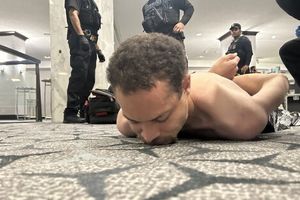 Cole Allen: What we know about suspected gunman at Trump dinner
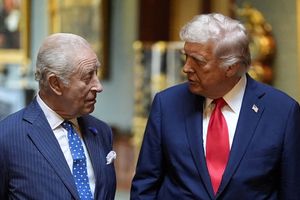 Buckingham Palace confirm King's US state visit to go ahead as planned after Trump dinner shooting
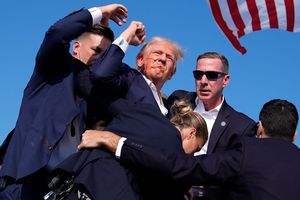 The threats against Trump's life over years after shooting at White House correspondents' dinner
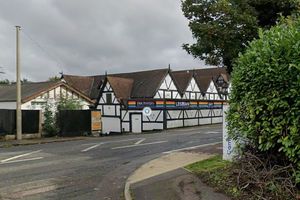 Pink Punters: Man arrested after 'significant' fire at LGBT+ nightclub
 Babies among residents rushed to safety as car bomb explodes next to police station in Dunmurry