


By Jonathan McCambridge (Press Association)
A new law which would see longer time in jail for killers who refuse to disclose where they have hidden their victims’ bodies will shortly be introduced to the Assembly, Justice Minister Naomi Long has said.
The Sentencing Bill will also create a new offence for those who assault police officers or others delivering a public service, and increase the maximum jail term for killer drivers under the influence of drink or drugs.
Ms Long said the legislation would have a “positive impact on the lives of thousands of people across Northern Ireland”.
She said: “It will increase the maximum penalty for causing death, or serious injury by dangerous driving or careless driving whilst under the influence of drink or drugs, from 14 years to 20 years.
“It will also introduce a new offence and higher sentences for assaulting those providing a service to the public or performing a public duty.
“The Bill will also create ‘Charlotte’s Law’, which aims to reduce the trauma experienced by families of murder victims in so called ‘no body’ cases.”
The law is named after Charlotte Murray, who was murdered by her former partner Johnny Miller. Ms Murray went missing in 2012 and her body has never been found.
It will see the creation of a statutory aggravator for failure to disclose the location of victims’ remains and new sentence reductions for post-sentence disclosures.
It will also introduce provisions equivalent to Helen’s Law in England and Wales, requiring Parole Commissioners to consider failure to disclose the location of victims’ remains in release decisions.
Ms Long said: “In developing this Bill, I have met and listened to a range of victims and stakeholder organisations.
“Their voices have been crucial and as we move closer to introducing the Sentencing Bill.”
The bill will also set statutory starting points for life sentence tariffs for murder cases – with 15 years as the starting point where there are no significant aggravating features and 20 years for the worst cases.
It will also make provision in Northern Ireland legislation for unduly lenient sentences.
The Bill will introduce a statutory aggravator model for hate crime where the victim belongs or is assumed to belong to a “racial group”; a “religious group”, a “sexual orientation group”, or a “disability group”.
It will also include a vulnerable victim aggravator, where the offender knows or ought reasonably to have known the victim was vulnerable;
It will also introduce a discretionary life sentence for repeat offenders and make provision so that driving disqualification periods will normally be served after release from prison.
Ulster Unionist Party justice spokesman Doug Beattie said the Bill was coming before the Assembly later than had first been proposed.
He said: “To improve confidence, we need more than just a review of sentence guidelines. We need a sentencing council for Northern Ireland in line with England, Wales and the Irish Republic to give direction to our judiciary.
“The remission of sentences process needs overhauling, particularly for late guilty pleas, where presently you can plead guilty on the day your trial starts and still get up to 25% off your sentence.
“Given some of our most serious trials can be delayed up to three years, this is an excessive sentence discount.
“I will also be proposing that our judiciary is subject to continuous and compulsory personal development training, and the judge’s findings at the end of a trial are provided to the victims, free of charge, and in a format they can understand.”
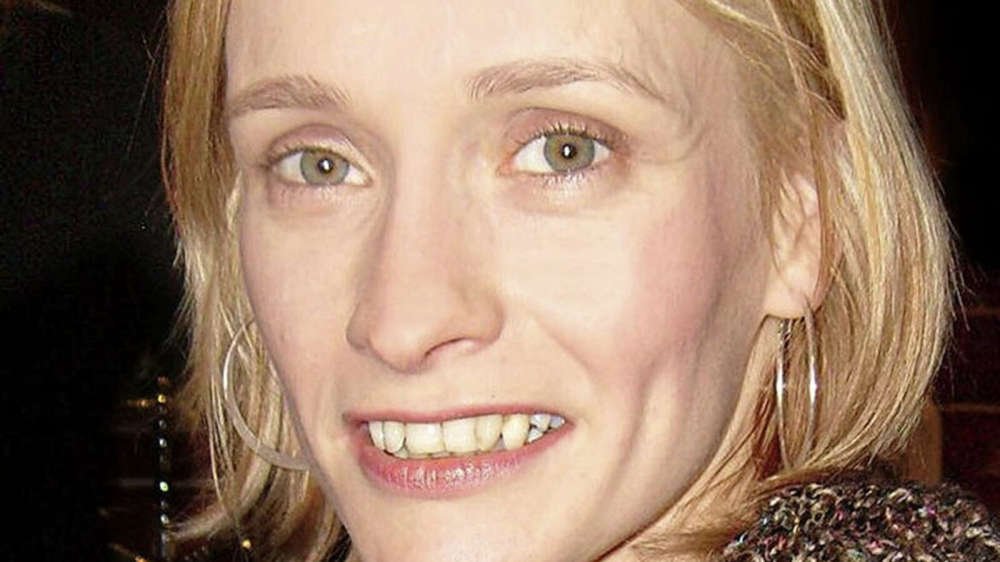
Murder victim Charlotte Murray
 Four churches share £200,000 to tackle urgent repairs
 Irish leaders condemn fuel protests as wrong and ‘not in the national interest’
 Police probe suspected arson attack at Coleraine apartment block
 More than 100 firefighters tackle Omagh industrial fire as casualty airlifted